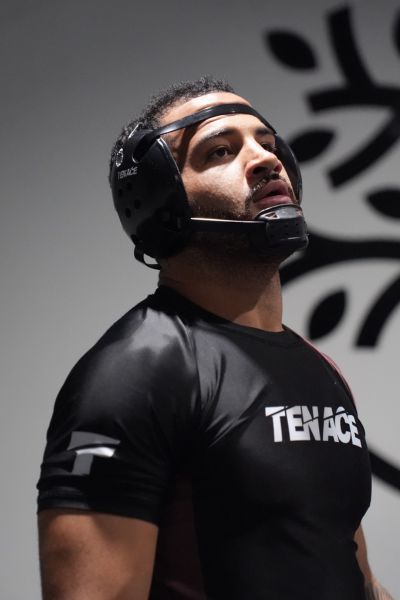


The Best Elbow Brace for BJJ and Grappling in 2026 (Without Losing Mobility)
The elbow rarely warns with severe pain from day one. Usually, it starts differently: a discomfort when leaning on the mat, a slight inflammation after rolling, stiffness upon waking, or that uncomfortable sensation when extending the arm. Many fighters ignore it because "they can still train." But what seems like a simple annoyance today can turn into weeks of limited training, avoiding positions, or losing confidence in basic movements tomorrow.
And this is where one of the most needed tools in combat sports comes in: the elbow brace.
Not to depend on it. Not to hide a serious injury. But to protect the joint, reduce discomfort, improve stability, and allow you to continue progressing consistently.
In this article, we explain what a good elbow brace for BJJ and Grappling should have, when it makes sense to use it, and why more and more athletes consider it an essential part of their gear.

Table of Contents
- Why Elbows Suffer So Much in BJJ and Grappling
- Signs Your Elbow Needs Attention
- What a Good Elbow Brace for Combat Sports Should Have
- What You DON'T Want in an Elbow Brace
- Our Recommendation: Tenace Elbow Brace
- Who Should Use an Elbow Brace
- How to Use It Correctly
1. Why Elbows Suffer So Much in BJJ and Grappling
The elbow works much more than it seems. It is a key joint in almost all technical exchanges: defense, control, escapes, and transitions.
Every time you frame to create space, fight for grips, escape side control, or post to avoid falling, the elbow absorbs the load.
Additionally, there are specific grappling factors that punish it over time.
Repeated support on the mat
During scrambles, turtle, or technical stand-ups, the arm supports weight at awkward angles.
Constant levers
Even if you tap on time, the repetition of armbars, kimuras, or extensions leaves accumulated joint fatigue.
Friction with the mat
Especially in No-Gi, the skin of the elbow receives constant friction.
Training volume
The more sessions you do per week, the more important it is to take care of small details.

2. Signs Your Elbow Needs Attention
You don't have to wait for a serious injury to act. Often, the body warns you beforehand.
Discomfort when extending the arm
You notice it when pushing, blocking, or defending.
Pain when leaning on the mat
Very common during drills or quick entries.
Slight inflammation after training
The elbow feels warm, heavy, or sensitive.
Stiffness the next day
It takes a while to "loosen up" during warm-up.
Loss of confidence
You avoid certain positions for fear of discomfort.
Frequent chafing
Dry, irritated, or burned skin from the mat.
If several of these signs are repeated, the smartest thing to do is act quickly.

3. What a Good Elbow Brace for Combat Sports Should Have
Not just any elbow brace will do. One designed for running or the gym does not always perform well in grappling.
Firm but comfortable fit
It must stay in place during intense rounds without slipping or rotating.
Balanced compression
Proper compression improves the feeling of stability and support, without restricting movement.
Total freedom of movement
You should be able to close angles, defend grips, and extend your arm naturally.
Breathable fabric
Sweat, heat, and constant contact demand comfortable and lightweight materials.
Real durability
It must withstand mat use, frequent washing, and hard wear.

4. What You DON'T Want in an Elbow Brace
Many people buy just any option and then realize their mistake in the middle of training.
Too stiff
If it restricts movement, you'll end up taking it off.
Slips when rolling
An elbow brace that moves is distracting and annoying.
Retains sweat
Uncomfortable feeling and worse hygiene.
Aggressive seams
Chafing on biceps or forearm.
Loses shape quickly
After a few washes, it stops compressing correctly.
Generic design
It's not made for combat sports.
5. Our Recommendation: Tenace Elbow Brace
After analyzing what a real fighter needs, we developed an elbow brace designed specifically for BJJ, Grappling, and MMA.

What Makes It Different
Smart compression
Support where it matters, without blocking.
Anatomical fit
Adapts to the arm and remains stable in scrambles.
Lightweight and breathable
Comfortable even during long sessions.
Durable construction
Designed for intense use and frequent washing.
Clean and sporty design
Matches rashguards, shorts, and spats.
It's not a generic medical elbow brace. It's designed for the mat.

6. Who Should Use an Elbow Brace?
Not just those who are injured. It also makes sense for:
1. Those who train multiple times a week
More volume = more wear and tear.
2. People with previous discomfort
A joint with a history deserves extra care.
3. No-Gi practitioners
More scrambles, more support, and more friction.
4. Competitors
More intensity and harder rounds.
5. Athletes +30 years old
Recovery changes over time.
6. Those who want sports longevity
Training for years is worth more than pushing for three months and stopping.

7. How to Use It Correctly
A good elbow brace helps most when used judiciously.
Use it during:
- Hard sparring
- Sessions with a lot of drilling
- Overload periods
- Gradual return after minor discomfort
Combine it with:
- Good warm-up: Shoulder, wrist, and elbow mobility.
- Specific strengthening: Resistance bands, grip, isometrics.
- Smart rest: Don't ignore persistent pain.
-
Take good care of it: Washing after intense use and air-drying extends its lifespan.
Training longer is also progressing
Many react when they can no longer support their arm. But true progress lies in being able to continue training consistently for months and years.
Taking care of your elbows doesn't make you less tough.
It makes you smarter.
A good elbow brace can give you something very valuable:
- More consistency
- Less discomfort
- More confidence
- Better training quality
And that, accumulated over time, makes a huge difference.
Train hard. Train smart. Train Tenace.
👉 Discover the Tenace Elbow Brace
🎁 Use code T-10 and get -10% off your order.
